
Get Basement Walls Waterproofing
Basement walls waterproofing services help property owners prevent water intrusion, mold, and structural damage through expert sealing, drainage, and repair projects handled by local contractors.
Basement walls waterproofing is an important consideration for property owners looking to protect their homes from moisture intrusion and related issues. Whether preparing for a renovation, addressing existing seepage, or simply planning ahead, understanding the options available can help ensure a durable and effective solution. Local contractors specializing in basement waterproofing offer a range of services designed to suit different needs, making it easier to compare approaches and find the right fit for each project.
Exploring basement walls waterproofing services is a practical step for those seeking to maintain the integrity and value of their property. Property owners in the area often consider this work to prevent potential damage caused by water infiltration, which can lead to structural problems or mold growth. By reviewing local service providers, homeowners and business owners can find experienced professionals capable of handling the job efficiently and effectively. Keep reading to discover more about how local contractors can help safeguard your property.
- Basement Wall Cracking Repair - when cracks in basement walls are causing water seepage or structural concerns.
- Efflorescence Removal - if white, powdery deposits appear on basement walls due to moisture issues.
- Leak Prevention - in cases where ongoing water intrusion threatens basement integrity after heavy rains.
- Waterproofing System Installation - when a basement needs a comprehensive solution to keep out moisture long-term.
- Mold and Mildew Prevention - if persistent dampness has led to mold growth on basement walls or ceilings.
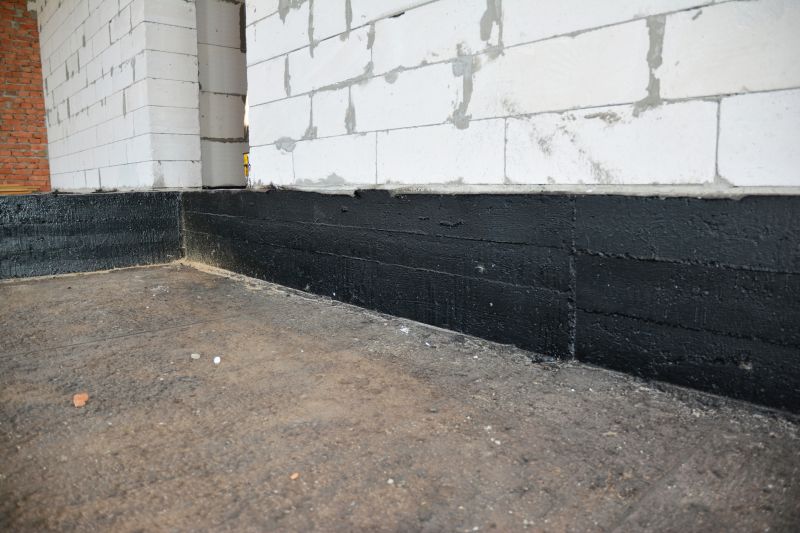
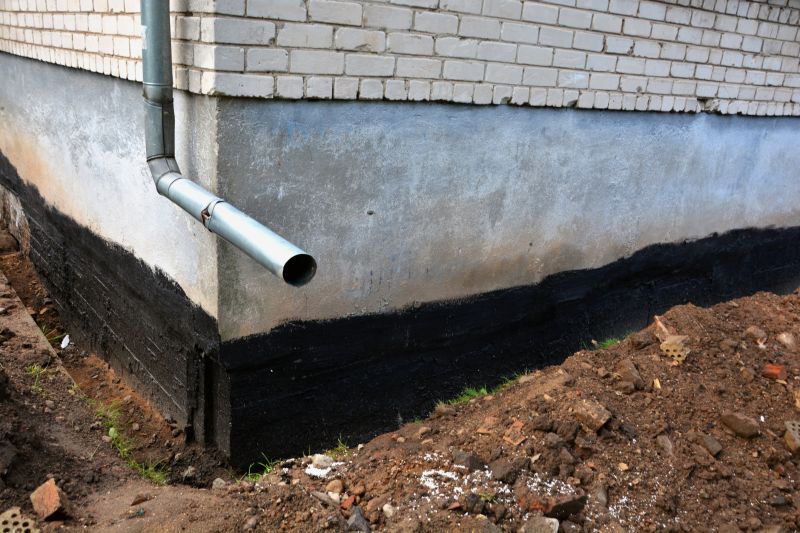
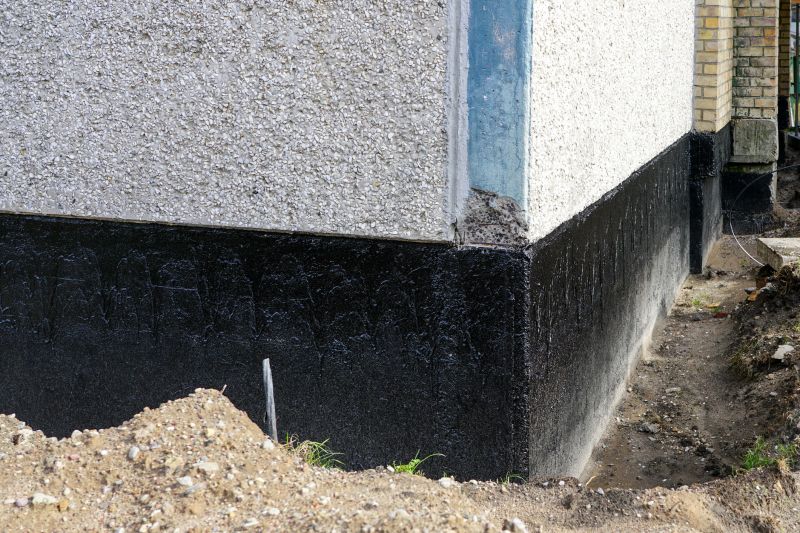
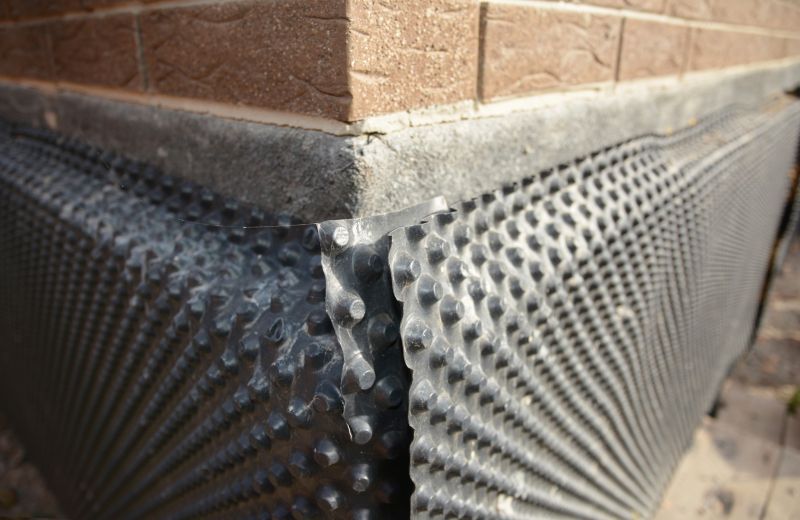
Basement walls waterproofing services involve applying specialized techniques and materials to prevent water intrusion into a building’s foundation. This process typically includes sealing cracks, installing drainage systems, and applying waterproof coatings or membranes to the interior or exterior surfaces of basement walls. The goal is to create a barrier that stops moisture from seeping through the walls, helping to maintain a dry and stable basement environment. Local contractors experienced in basement waterproofing can assess the specific needs of each property and recommend the most effective solutions to protect against water damage.
Many common problems can be addressed through basement wall waterproofing. These include persistent dampness, mold growth, and musty odors that often result from excess moisture. Water seepage can also cause structural issues over time, such as cracked or bowed walls, which compromise the integrity of the foundation. Homeowners who notice water stains, efflorescence (white mineral deposits), or increased humidity levels in their basement may find that waterproofing services can help resolve these issues and prevent future damage.
This type of service is often used in properties where the basement is finished or used as a living space, storage area, or home office. Both new construction and older homes can benefit from waterproofing, especially if they are situated in areas prone to heavy rainfall, high water tables, or poor drainage. Commercial properties with below-ground levels may also require basement wall waterproofing to ensure a safe and dry environment for employees and inventory. Homeowners should consider waterproofing if they experience ongoing water problems or want to protect their investment from potential damage caused by moisture infiltration.
When considering basement wall waterproofing, it’s important to understand that the service can be tailored to the specific needs of a property. Local service providers can evaluate the condition of basement walls, identify sources of water intrusion, and recommend appropriate solutions. Whether it involves interior sealants, exterior excavation and drainage installation, or a combination of methods, professional waterproofing can help maintain a dry, healthy basement environment. Contacting experienced local contractors ensures that the right approach is taken to address water issues effectively and protect the foundation over time.
The overview below groups typical Basement Walls Waterproofing projects into broad ranges so you can see how smaller, mid-sized, and larger jobs often compare in your area.
In many markets, a large share of routine jobs stays in the lower and middle ranges, while only a smaller percentage of projects moves into the highest bands when the work is more complex or site conditions are harder than average.
Smaller Repairs - Typical costs for minor basement wall repairs generally range from $250 to $600. Many routine crack repairs or sealing jobs fall within this band, though prices can vary based on wall size and severity.
Moderate Projects - Mid-sized waterproofing projects often cost between $1,000 and $3,000. These projects include applying sealants or installing drainage systems and are common for homes with recurring moisture issues.
Extensive Waterproofing - Larger or more complex projects, such as foundation excavation or comprehensive wall sealing, can range from $3,500 to $8,000. These tend to be less frequent but are necessary for severe or longstanding water intrusion problems.
Full Wall Replacement - Complete basement wall replacements or major structural repairs can cost $10,000 or more. Such projects are typically reserved for significant damage and are less common, often requiring detailed assessments by local contractors.
Actual totals will depend on details like access to the work area, the scope of the project, and the materials selected, so use these as general starting points rather than exact figures.
Basement Wall Repairs - local contractors often handle wall stabilization and crack repair projects that require similar waterproofing and structural assessment skills.
Foundation Waterproofing - these projects involve applying barriers and drainage solutions comparable to basement wall waterproofing techniques.
Crawl Space Encapsulation - encapsulation involves sealing and moisture control methods similar to those used in basement wall waterproofing to prevent water intrusion.
Drainage System Installation - installing interior or exterior drainage systems to divert water aligns with the planning and tools used in waterproofing basement walls.
Interior Waterproofing Solutions - service providers often perform interior sealing and sump pump installations that complement basement wall waterproofing efforts.
Concrete Repair and Restoration - repairing and restoring concrete surfaces involves skills in surface preparation and waterproofing that overlap with basement wall projects.
When comparing service providers for basement wall waterproofing, it is important to consider their experience with projects similar to the one at hand. Homeowners should look for local contractors who have a track record of successfully completing waterproofing jobs in comparable settings, such as homes with similar foundation types or moisture issues. An established history of handling projects like yours can offer reassurance that the contractor understands the specific challenges involved and has the skills to address them effectively.
Clear communication of expectations is another key factor when evaluating local pros. Homeowners should seek providers who can articulate their process, materials, and scope of work in understandable terms. Transparent explanations help ensure that both parties share a common understanding of what the project entails, reducing the likelihood of misunderstandings or surprises. Reliable service providers are typically willing to provide detailed descriptions and answer questions openly, which can contribute to a smoother project experience.
Reputable references and positive feedback from previous clients are valuable indicators of a contractor’s reliability and quality of work. Homeowners are encouraged to request references or reviews from local service providers to gain insights into their professionalism, timeliness, and craftsmanship. Good communication skills and responsiveness also matter, as they reflect a contractor’s ability to stay engaged and address concerns throughout the project. Remember, the site introduces homeowners to local options, helping them compare and connect with qualified contractors, but it does not perform the work itself.
Property owners use Basement Walls Waterproofing services for practical projects around their homes and businesses. This guide focuses on everyday jobs and straightforward project options.
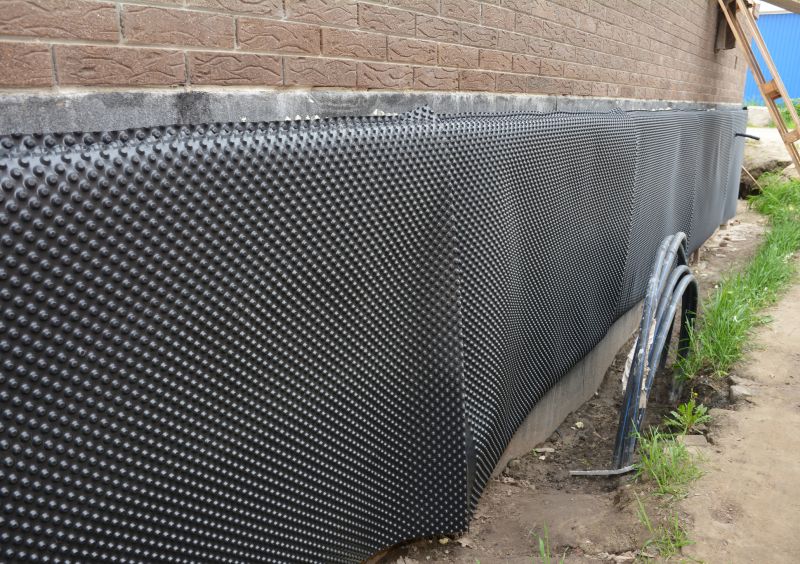
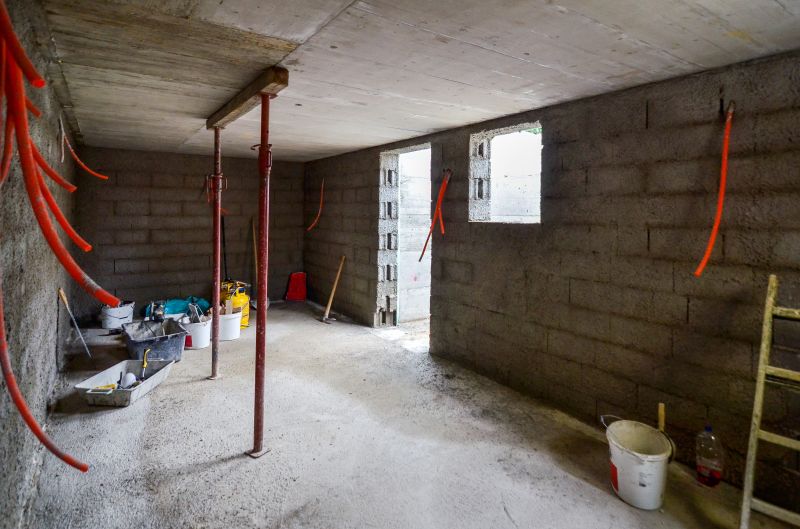
Basement wall waterproofing is a common concern for property owners dealing with moisture issues or water seepage in their homes. In many cases, homeowners notice dampness on basement walls after heavy rains or experience frequent mold growth, prompting them to seek professional solutions. Local contractors who specialize in basement waterproofing can assess the condition of existing walls and recommend appropriate measures to prevent water intrusion, helping to maintain a dry and healthy living space.
Property owners might also look for basement wall waterproofing services when preparing their homes for resale or to protect their investments from structural damage caused by water damage. Whether dealing with minor cracks or more significant leaks, local service providers are equipped to handle a variety of situations. Connecting with experienced contractors can ensure that waterproofing work is tailored to the specific needs of the property, offering peace of mind and long-term protection against moisture-related issues.
What are the signs of basement wall water issues? Common signs include visible cracks, damp or moldy walls, and water stains on the surface of the basement walls.
How can waterproofing improve basement durability? Waterproofing helps prevent water infiltration that can weaken walls, reduce mold growth, and protect the foundation over time.
What waterproofing methods do local contractors typically use? Contractors often use interior sealants, exterior drainage systems, or membrane coatings to keep basement walls dry.
Are there different types of waterproofing systems for basement walls? Yes, options include interior waterproofing, exterior waterproofing, and combination systems tailored to specific needs.
How do I know if my basement walls need waterproofing? Signs such as persistent dampness, water leaks, or damage to wall materials indicate that waterproofing services may be necessary.
Basement Wall Waterproofing for Renovations - Protect a finished basement during remodeling projects by ensuring walls are properly sealed against moisture intrusion.
Preventing Basement Leaks in New Constructions - Incorporate waterproofing solutions into new building plans to avoid future water problems.
Addressing Water Damage from Heavy Rain - Use waterproofing services to reinforce basement walls before seasonal storms cause leaks or flooding.
Improving Basement Durability for Storage - Maintain a dry environment for stored items by having local contractors waterproof basement walls effectively.
If you are thinking about Basement Walls Waterproofing for a property, this guide is meant to help you understand the work, the typical project types, and how different options might fit your plans.
When you are ready, you can use the quote form on this page to share a few details about your project. From there, local pros can review the basics and respond with options that match what you have in mind.